
Structural engineers at the heart of stadium safety and compliance
Posted 11 May 2026
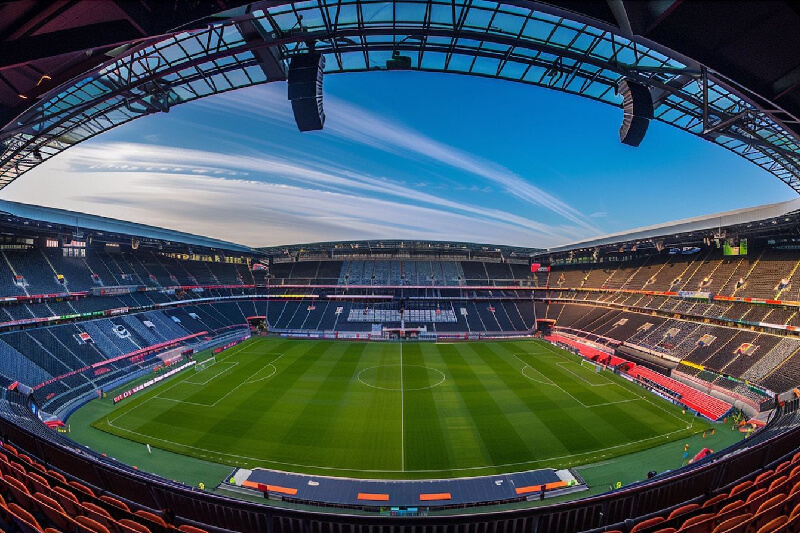
Structural safety is what we’re about and our DSA structural engineering team are regularly asked to carry out comprehensive structural surveys on stadiums. With the potential to host thousands of fans at every event, it’s critical that every handrail, guardrail and spectator barrier is up to standard and stadiums.
When we undertake a structural survey, we are checking that the stadium not only meets current safety regulations but can also handle the dynamic pressures of modern crowd events.
This news feature explains what a stadium structural survey involves, to help ensure stadiums remain safe and compliant for every crowd.
The importance of regular comprehensive structural assessments
A stadium structural assessment is how stadiums stay safe. When asked to carry out a survey, DSA structural engineers conduct a full risk assessment by reviewing the stands, terraces, supporting frameworks and substructures.
We look for any signs of movement that could have the potential to compromise safety during events. With careful evaluation of all load-bearing elements, concrete supports and steel frameworks, we can check that the stadium can withstand both the load of the weight of the structure itself, as well as ever changing loads caused by different sized crowds and their movements – cheering, jumping and any other sudden movements!
The other benefit of regular structural assessments is that we can identify and monitor early-stage deterioration such as corrosion, material fatigue or foundation settlement, preventing them from becoming costly or hazardous failures. Our structural assessments and data-driven analysis provide stadiums with clear recommendations for maintenance and remediation to ensure long-term stadium compliance, resilience and safety.
Barrier strength and stability testing
Barrier testing means checking handrails and guardrails which are installed to prevent crowds falling and maintain crowd control. These are individually tested for durability and stability, by measuring their ability to resist both vertical and horizontal forces. Careful attention is given to connections, fixing points and material quality to ensure they comply with the latest industry standards.
At the same time, we review installation, spacing and overall system design to confirm they are still relevant to todays’ standards and can realistically cope with all kinds of loading conditions. If needed, we’ll simulate real load testing scenarios and visual inspections to pick up any indications of wear, corrosion or mechanical loosening that could reduce performance over time. There is one aim – to guarantee safety during everyday use as well as during peak events where crowd density is at its highest.
Crowd load analysis
Stadiums are used for all kinds of events – it might be the home ground of a football club, but it might also host big headline concerts. These two crowds alone would behave and interact with the stadium very differently which gives an idea of the range of simulations and structural calculations we evaluate. Tests like this are a good way to identify areas of potential failure or overcrowding and keeping terraces and walkways safe for the largest of crowds, especially in emergency situations to allow crowds to evacuate safety and prevent bottlenecks.
Materials and condition inspection
Checking out stadium construction and materials is very important. Our engineers carefully carry out a corrosion inspection and look for steel corrosion or failure, concrete and spalling and other signs of wear or deterioration. We look at visible surfaces as well as critical hidden components to assess overall structural integrity.
As well as preventing minor problems from becoming major safety hazards, early detection allows for timely repairs and reinforcements. Sometimes it’s environmental exposure and drainage conditions that may accelerate material degradation, so these conditions are also considered as part of the assessment. Proactive maintenance can extend the life of the stadium structure so that it continues to operate safely under both normal and peak event conditions.
Access and maintenance evaluation
Moving around a stadium safely is our ultimate priority, and that goes for staff as well as spectators. We assess ladders, catwalks, stairways and service routes so that stadium operators can plan maintenance schedules and reduce risks for personnel.
Documentation and reporting
Following the survey, DSA provides a detailed report outlining findings, assessments and recommendations, invaluable for stadium management and facilities teams. Our reports clearly identify where improvements are needed, so stadiums can prioritise and action recommendations while maintaining structural integrity and operational efficiency.
Future-proofing safety measures
Safety is an everchanging area, with old ways becoming defunct and new opportunities available every day it seems. This is why DSA always advise on potential upgrades and reinforcements to accommodate specific event types or changes in crowd behaviour, or of course, if regulations change. Reputations and lives could potentially be at risk if advice is ignored.
Why choose DSA for stadium safety and compliance
Quite simply, because stadium safety is serious business and it’s important you work with a trusted and reliable structural engineering business with proven expertise – that’s DSA. From barrier testing and structural analysis to maintenance evaluation and crowd load management, we provide actionable insights that protect fans, staff and infrastructure. Partner with DSA and we’ll help you proactively manage risks, address potential hazards before they arise and implement strategies for safe, well-managed events.


